الجمعة، 5 فبراير 2021

What’s New in the Richmond? Transit Lanes to Support the 38 Geary

What’s New in the Richmond? Transit Lanes to Support the 38 Geary
By Jade Moy

Notice something new in the Richmond? We recently installed new transit lanes on segments of Geary Boulevard between Stanyan Street and 33rd Avenue as part of the Temporary Emergency Transit Lanes program. This project extends the existing transit lanes that we installed as part of the Geary Rapid Project between Stanyan and Market streets. Now, more than 75% of Geary Boulevard benefits from transit lanes, increasing overall transit-lane miles by 50%.

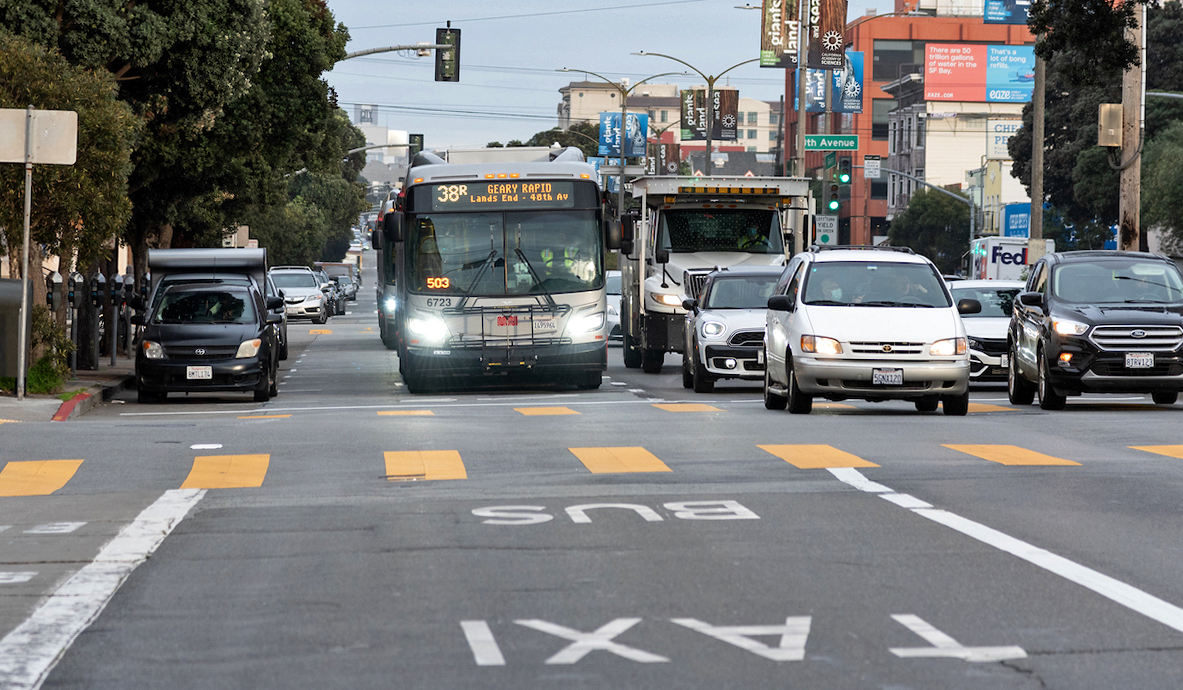
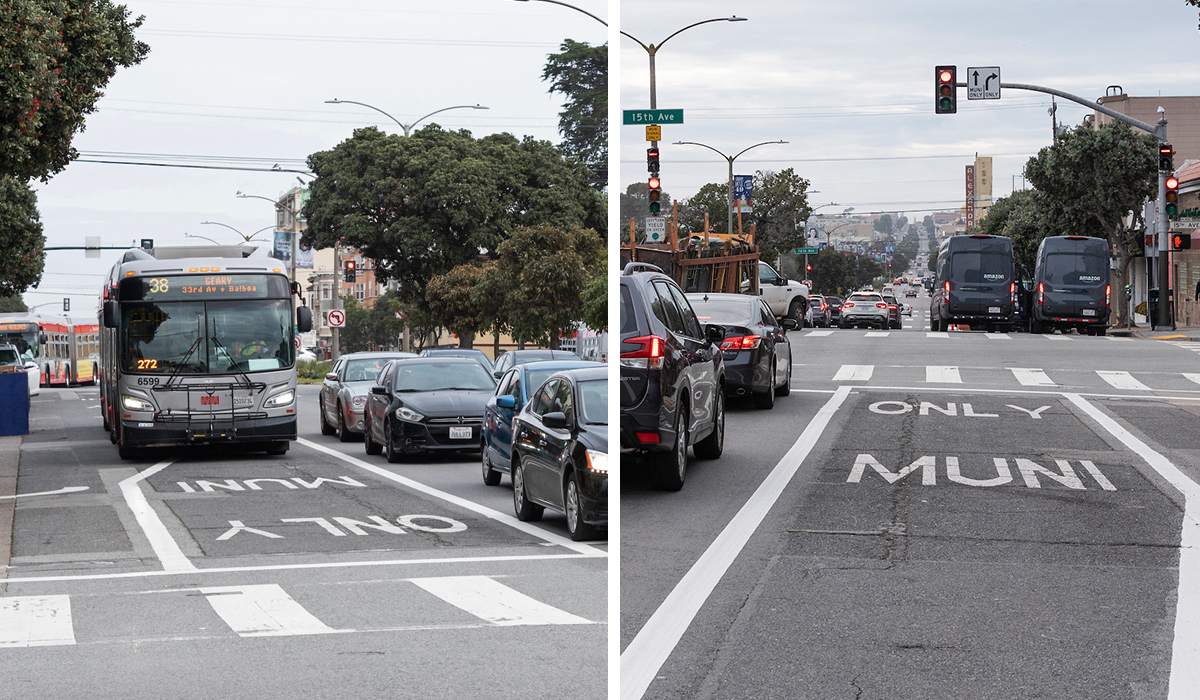
Photo of 38 Geary bus approaching an intersection

The Geary Boulevard corridor provides neighborhoods with vital services such as medical centers, grocery stores and other essential businesses. During the pandemic, the 38 Geary bus route has continued to serve about 18,000 daily riders making essential trips. Our new transit lanes help keep buses moving to reduce crowding and travel times for people who still depend on transit to get around the city.

When buses aren’t competing with traffic, they can stay more evenly spaced apart and complete routes more quickly, providing more frequent service and reduced crowding with the same number of buses. You don’t have to live in the Richmond to reap the rewards—reducing delays on any part of Geary Boulevard means that buses can run more frequently, which benefits passengers along the entire route.

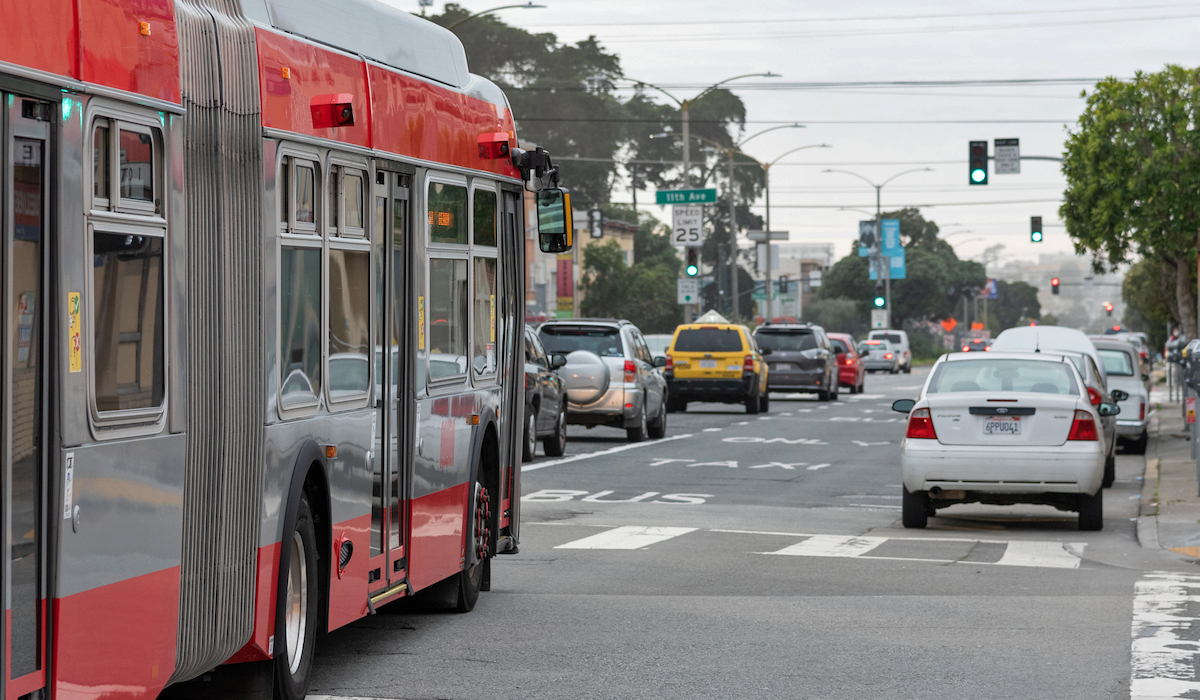
photo of Temporary curbside transit lanes striped with white paint and “Bus/Taxi Only” stenciling and signage.

Temporary curbside transit lanes have been striped with white paint and “Bus/Taxi Only” stenciling and signage.

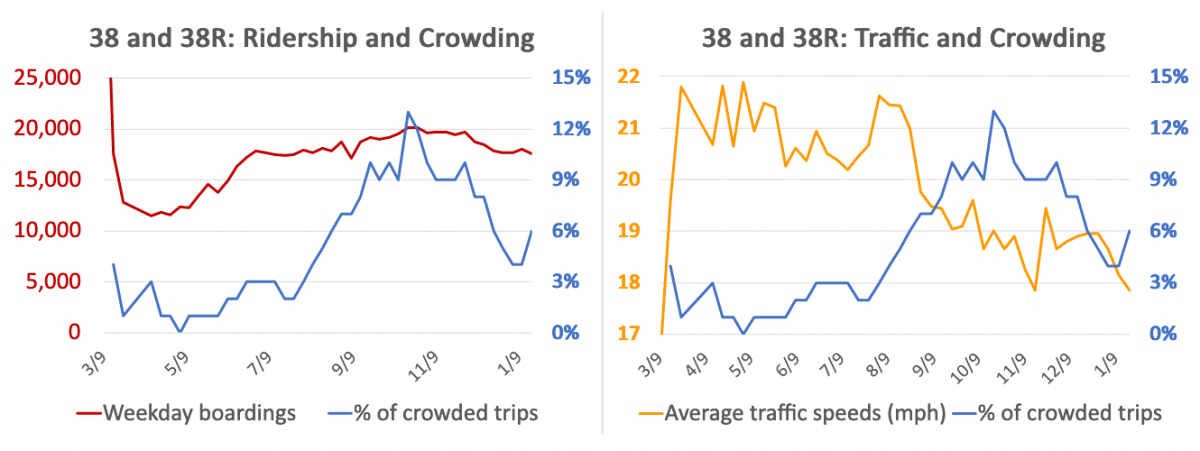
Transit lanes are especially important at a time when physical distancing requirements mean Muni buses can only carry one-third of the passengers that they could previously. Over the summer, as congestion increased and auto speeds slowed, crowding (by COVID-19 capacity standards) began increasing on the 38 Geary and 38R Geary Rapid . This occurred despite ridership numbers staying relatively flat, as buses became delayed in traffic.

Looking forward, as more of the economy re-opens, the new temporary transit lanes will help us avoid crowding without adding additional buses or operators. This is critical at a time when the SFMTA is facing major revenue shortfalls and has limited resources.

Two charts. While ridership remained stable in late 2020, the number of crowded trips (per COVID standards) increased (left chart). This crowding occurred as traffic speeds have slowed (right chart).

While ridership remained stable in late 2020, the number of crowded trips (per COVID standards) increased (left chart). This crowding occurred as traffic speeds have slowed (right chart).

In addition to transit lanes, the Geary Boulevard project also includes other improvements. We placed temporary wooden sidewalk extensions (known as bus bulbs) at bus stops at 25th, 20th and 6th avenues. These allow buses to stop without pulling in and out of traffic and provide more space for people waiting. To give buses a head start on general traffic, we installed special Muni-priority traffic signals at the intersections of 25th, 20th and 15th avenues.

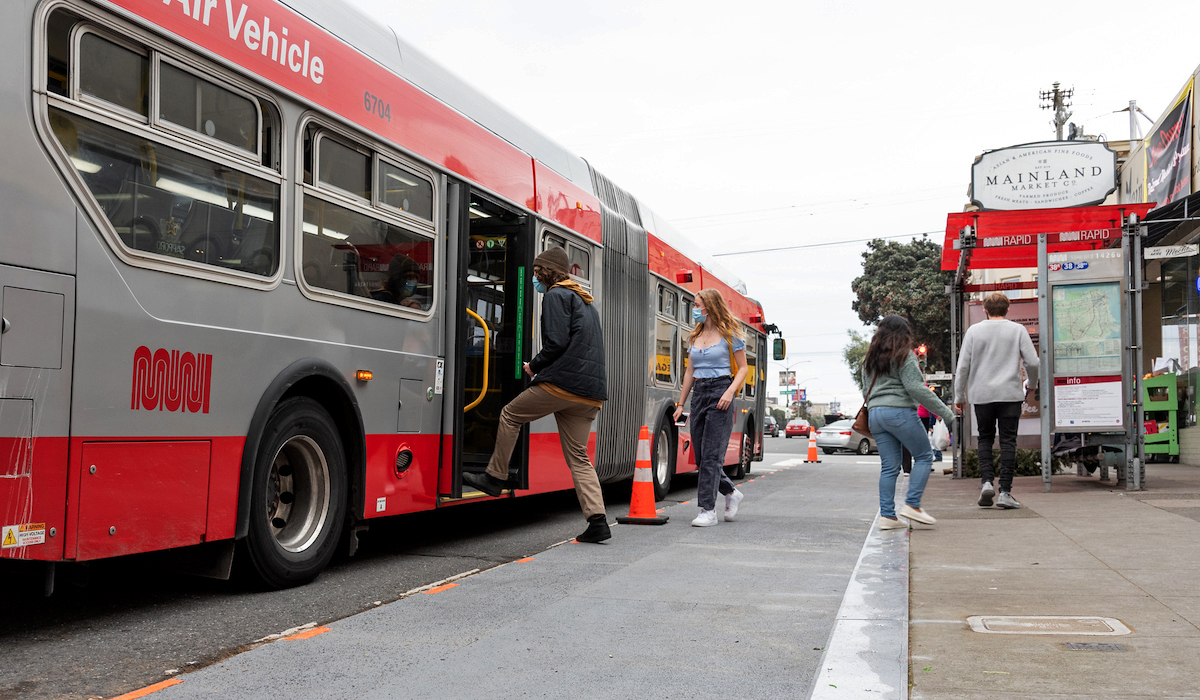
Photo of new temporary bus bulb on Geary Boulevard at 20th Avenue that allows buses to stop without pulling to the curb.

This new temporary bus bulb on Geary Boulevard at 20th Avenue allows buses to stop without pulling to the curb.

Next, we will evaluate the temporary emergency transit lanes—including looking at Muni travel times, crowding and impacts to traffic and parking—to determine how well they’re working and whether to pursue making them permanent, potentially with adjustments or additions.

Let us know what think about the new transit priority treatments on Geary. Whether you ride the bus, drive or walk on Geary Boulevard, we want your feedback. Take our survey at SFMTA.com/38Survey

For details on the project and to register for updates, visit our website

Photo of a special head-start transit signal that gives buses the jump on general traffic at the intersection of Geary Boulevard and 15th Avenue.

A special head-start transit signal gives buses the jump on general traffic at the intersection of Geary Boulevard and 15th Avenue.


Published February 05, 2021 at 08:53PM
https://ift.tt/2N3qHWD

الخميس، 4 فبراير 2021

Celebrating the Life and Legacy of Rosa Parks

Celebrating the Life and Legacy of Rosa Parks
By Sophia Scherr

Photo of Rosa Parks

“Stand for something or you will fall for anything. Today’s mighty oak is yesterday’s nut that held its ground.”

Today, we celebrate the legacy of civil rights icon, Rosa Parks. 66 years ago, Rosa kept her seat on a Montgomery bus, was jailed and fined $10, thus sparking the Montgomery Bus Boycott. A catalyst for the Civil Rights Movement, Rosa’s groundbreaking act proves how change can be made through the protest and civil action of everyday people. This day also reminds us of the progress and work that is still needed to ensure equity for all.

In commemoration of the start of Black History Month and to honor Rosa Parks and her courage a plaque in her honor has been installed on a bus to mark this historical civil rights event. Our Black Women in Transit history campaigno celebrates those extraordinary individuals who have demonstrated a commitment to civil rights in transportation. You can find Rosa Parks and other groundbreaking figures stories system-wide throughout Black History Month.


Published February 04, 2021 at 06:05PM
https://ift.tt/3rnwxkF

الأربعاء، 3 فبراير 2021

Vision Zero Look Ahead

Vision Zero Look Ahead
By Erica Kato

With Vision Zero, our goal is straight-forward: traffic deaths are not just preventable, they’re unacceptable and we must work to eliminate them. One death on our streets due to traffic violence is one death too many. 

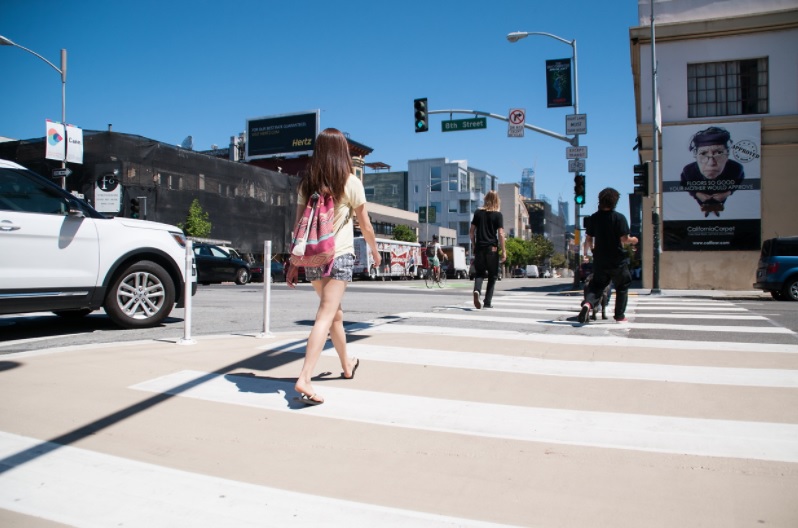
People using pedestrian safety zone on 8th Street that creates a shorter and safer crosswalk

People using pedestrian safety zone on 8th Street that creates a shorter and safer crosswalk

The advent of the COVID-19 pandemic in early 2020 had a significant and unprecedented impact on travel in San Francisco throughout the year.  Unfortunately, as traffic volumes dropped, we witnessed an increase in both traffic speeds and dangerous driving behavior. While the number of traffic injuries in San Francisco decreased in 2020 compared to 2019, the number of traffic deaths remained tragically unchanged.

Nationally, traffic fatalities have increased in major cities, including many of our Vision Zero peers like Portland, New York City and Philadelphia.  In San Francisco we experienced an increase in solo-driver fatalities and motorcycle fatalities, and a decrease in pedestrian fatalities.

First adopted by the mayor and the Board of Supervisors in 2014, the aim of Vision Zero is to eliminate traffic deaths and reduce severe injuries in San Francisco. The policy remains the guiding safety principle for SFMTA, as well as for our partners in the Department of Public Health, the San Francisco Police Department, and all of our Vision Zero partners.

Despite the pandemic and local shelter-in-place orders, the SFMTA completed more than 80 miles of street safety improvements citywide in 2020. More than 30 miles of these improvements were made on the High Injury Network (a network of streets that accounts for 75% of severe and fatal traffic collisions). This includes 6.5 new miles of protected bikeways, more than 300 continental crosswalk upgrades, 11 miles of city streets with slower speed limits, more than 150 signals upgraded additional crossing time for people walking, and more than 60 signals upgraded with leading pedestrian intervals.

We are committed to reaching our Vision Zero goal of zero fatalities in San Francisco.

Our Vision Zero approach in 2021:

Looking ahead, we will continue focusing in 2021 on proven tools to save lives, especially focused on slowing speeds since speed is a leading factor in severe and fatal injuries in SF. These tools include:

    • Exercising local authority to slow speeds, including establishing slow senior zones and 20 MPH speed limits on Market Street and other High Injury Network streets
    • Advancing quick build projects (more than 10 quick builds are in the pipeline for 2021, including two in the Tenderloin)
    • Implementing citywide programmatic work on the High Injury Network, such as daylighting (removing parking at intersections to improve visibility).

We know we can’t get to zero deaths from traffic crashes without a transformative policy agenda, so we will continue to pursue state legislative change to give us more authority over how speed limits are set in San Francisco and to see the ability to implement speed safety cameras for enforcement.

San Francisco’s multiagency, multidisciplinary team will be updating the Vision Zero Action Strategy in 2021. We want to know your ideas and priorities for safer streets and will be sharing a survey soon to gather your input.

For more information, please visit our website: visionzerosf.org


Published February 03, 2021 at 05:33PM
https://ift.tt/3pRqbda

الثلاثاء، 2 فبراير 2021

Nearly 300 Muni Drivers Celebrated for Extraordinary Safety Record

Nearly 300 Muni Drivers Celebrated for Extraordinary Safety Record
By

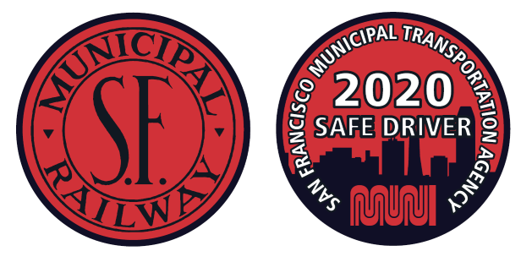
Very few drivers can make the claim they have successfully navigated the congested streets of San Francisco for years on end without having any preventable safety incidents. But 299 of the SFMTA's 2,500 Muni operators can proudly say they have done so for at least 15 years, and some for decades. This month these operators get a token and patch to wear, honoring the Safe Driver record.

Recognizing these employees, Director of Transportation Jeff Tumlin stated that, "Safety is SFMTA's number one priority. It is my privilege to honor this year's Safe Driver Award recipients. These professionals deliver for the people of San Francisco and lift up the entire agency. Safe Drivers, thank you for your dedication and your service.”

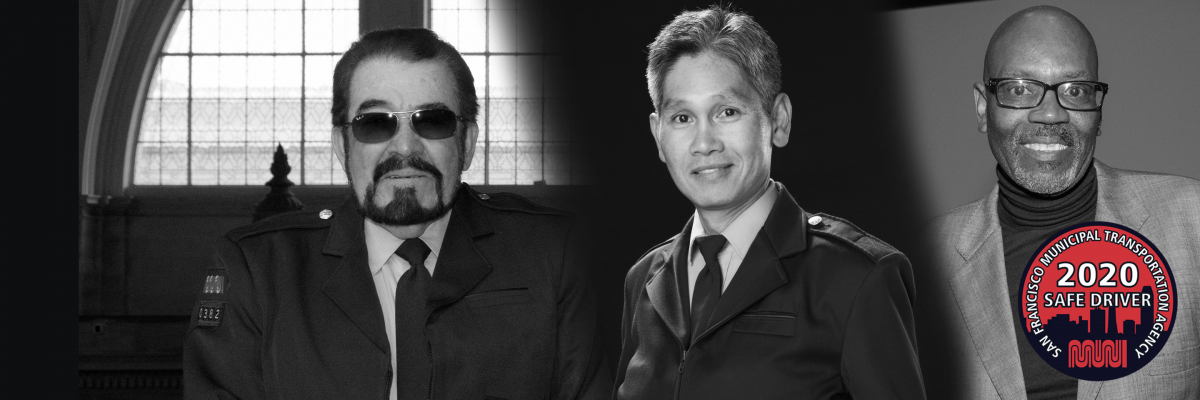
Photos of Oliverio Valle, Lonnie Moore and Jason Lao

Safe Driver honorees with a remarkable record of 35 or more years. From left to right: Oliverio Valle, Cable Car Division, 46 Years; Lonnie Moore, Jr., Green Division, 43 years; Jason Lao, Green Division 36 years.

What Constitutes a Safe Driver?

Simply put, a safe driver is an operator who has driven a minimum number of qualifying hours each fiscal year with no avoidable safety incidents.  To earn the 2020 Safe Driver Award, operators must have driven at least 1,387 hours during the past fiscal year without a preventable incident (adjusted to account for the service reductions that occurred due to COVID-19).

For operators meeting the strict safety guidelines, 2020 posed unique challenges. "Our transit operators have endured some of the most difficult situations that we have ever had to face," said Roger Marenco, president of Transport Workers Union Local 250A. "In 2020, our operators showed that they were ready, willing and able to fulfill their duties as disaster service workers in the midst of a pandemic. By putting their health and safety on the line, our operators were able to keep our city moving by providing one of the most important services: public transportation."

The COVID-19 pandemic required the SFMTA to adjust Muni operations in order to keep both operators and customers safe. Between new face covering requirements and limits on the number of customers per vehicle, operators were asked to quickly adapt to an ever-changing environment. In addition, we implemented a new core service plan in April, with several updates throughout the year, that meant operators needed to adjust to new routes, new equipment or both.

Make no mistake, Muni operators take this Safe Driver honor, and the patches they receive, very seriously. It's a big deal. Navigating a 40-foot vehicle or longer, through 49-square miles of hilly, winding San Francisco terrain is no easy task. Add navigating traffic with ride-share vehicles, private and commercial vehicles, taxis, bicycles, scooters and pedestrians into the mix and the challenges escalate quickly.

Honoring Safe Drivers

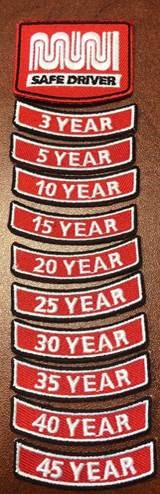
Photo of Safe Driver patches

The initial patch is given after three years of safe driving. Subsequent tab-style patches are presented in five-year increments and are worn on their uniform sleeve.

The SFMTA relies on thousands of operators who provide safe daily service to customers throughout the entire Muni network. "Congratulations 2020 Safe Drivers," said Julie Kirschbaum, SFMTA Transit Director. "You have demonstrated an extraordinary commitment to safety during a very challenging year. While we cannot celebrate in person this year, your accomplishment does not go unnoticed. Thank you for all that you do to safely move our customers throughout San Francisco."

Image of safe driver tokens

The 2020 Safe Driver Award Token harkens back to the SF Municipal Railway tokens that were introduced for fare payment in the 1940s.

We honor not just these 299 extraordinary individuals, but all of those who work so hard to make safety the standard by which we operate.


Published February 02, 2021 at 06:44PM
https://ift.tt/3oCM7Hf

الأربعاء، 27 يناير 2021

Slow Streets: A Path to Permanence

Slow Streets: A Path to Permanence
By Shannon Hake

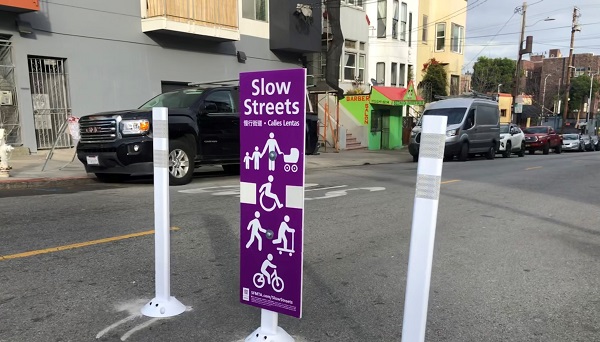
In locations throughout San Francisco, the Slow Streets Program has shown that minimizing traffic on residential streets allows them to be more safely used as a space for people traveling by foot and by bicycle. Due to the program’s success, the SFMTA is now exploring the possibility of making some of the current temporary Slow Streets permanent, extending their use beyond the COVID-19 emergency.  

Image of three posts place in the travel lane with a sign indicating "Slow Street" in English, Chinese and Spanish

Slow Streets discourage non-local vehicle access through barricades and signage. Reducing the number of vehicles on Slow Streets provides more space for physically-distanced essential travel and exercise during the COVID-19 emergency. Because of their popularity, community members have indicated a strong interest in a longer-term future for these streets. As such, we are planning ahead so that some Slow Streets can be maintained beyond the public health emergency.

In the coming months we’ll be implementing our “Path to Permanence” on the first three Slow Streets corridors: Page Street, Shotwell Street, and Sanchez Street. These are corridors where our resident and user surveys have shown strong community support for Slow Streets.  The positive feedback from these surveys has shown that residents and users of these Slow Streets overwhelmingly support making them permanent. After completing the planning process with these three streets, we’ll explore other streets in the network using the same process:

  • Determine Support for Permanence: We survey the residents living along all of our Slow Streets to better understand the desire to make the designation permanent. These surveys are ongoing and will be completed on all Slow Streets corridors by May.
  • Listen to the Community: On streets with strong support, we engage with residents and stakeholders on potential permanent treatments. These could include operational changes like turn restrictions or other physical changes with more durable materials, beyond the temporary delineator treatment currently in place on some Slow Streets.
  • Design Permanent Treatments: Using the feedback from the community, our engineers and planners will complete the permanent Slow Streets design, which will consist of uniform elements. We’ll meet with the community again to share this design and address any outstanding concerns.
  • Approve Permanent Changes and Slow Streets Designation: Following a public hearing process and other internal review, we’ll present permanent corridor changes to the SFMTA Board of Directors for final approval.

What’s Next

The SFMTA has implemented 25 temporary Slow Streets since April 2020. Identifying which corridors have support for being made permanent will take time. We plan to survey residents along all temporary Slow Streets corridors by May 2021 to determine which corridors may advance to permanence.

The Slow Streets network continues to evolve, and will expand to include 13 additional temporary corridors if our proposal is approved at the SFMTA Board of Directors meeting on February 16. These new corridors will go through the process outlined above to determine whether they should be considered permanent.

For updates, additional information, and to provide input, visit our Slow Streets Program page


Published January 28, 2021 at 12:17AM
https://ift.tt/3t0mPX3

الثلاثاء، 26 يناير 2021

Fiona Hinze Fills Final Seat on SFMTA Board of Directors

Fiona Hinze Fills Final Seat on SFMTA Board of Directors
By Lori Phelan

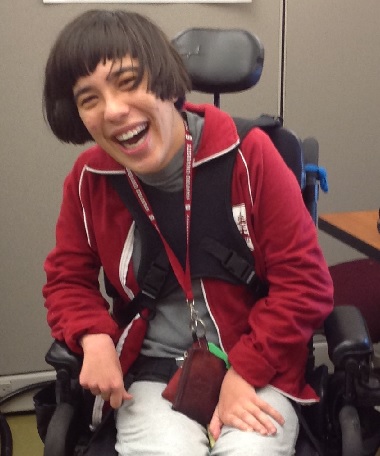
Fiona Hinze, transit accessibility advocate and resident of the Outer Richmond, has joined the SFMTA Board of Directors as the seventh member on the board, filling the final vacancy. Nominated by Mayor Breed in late October, Hinze brings a lifetime of experience advocating for transit access for people with disabilities such as herself. Hinze lives with cerebral palsy and uses an electric wheelchair for mobility.

Photo of Fiona Hinze

"It is important we have a member on the SFMTA Board who understands the needs of our disability community and the challenges people face getting around our City, whether that's riding Muni or navigating our streets and sidewalks," said Mayor Breed in a press release. "Fiona is a respected and trusted community member and knows how to listen to the needs of people living with disabilities and advocate for change. She will bring an important perspective to the SFMTA Board and I'm confident she'll prioritize equity and work to create a more accessible transit system for the people of San Francisco."

Hinze has been working as director of systems change for the Independent Living Resource Center San Francisco, a disability rights advocacy and support organization, since 2014. There she tracks key state and local advocacy issues and by attending community committee and task force meetings. She works to ensure consumers are aware of advocacy opportunities in the community, such as calls to action on various issues.

She's also co-chair of the Dignity Fund Coalition and has served on several boards and task forces including the Paratransit Coordinating Council, the Senior Disability Working Group of the Vision Zero Coalition, the Sunshine Ordinance Task Force and the Disability Organizing Network.

She just completed two terms on the California State Independent Living Council, to which she was appointed in 2014 by former governor Jerry Brown.

Hinze graduated from Stanford University in 2013 with a Bachelor of Arts degree with distinction in Psychology; Health and Development; also working as a research and teaching assistant. During that same time period, she worked as a legislative intern for Assemblywoman Fiona Ma.

With her approval from the San Francisco Board of Supervisors and being sworn in by Mayor Breed Jan. 14, Hinze's appointment fills the final vacancy on the SFMTA Board of Directors.

SFMTA Board of Directors

Twice monthly the agency's board of directors meet at City Hall to discuss and provide policy oversight for safe and efficient transportation in San Francisco in accordance with the city charter and the Transit First Policy.

This seven-member board, appointed by the Mayor and confirmed by the San Francisco Board of Supervisors, typically meets on the first and third Tuesday of each month at 1 p.m., unless otherwise noted. Meetings are open to everyone and are streamed live through SFGovTV. Additional information such as agendas, resolutions and legislation passed by the Board can be accessed through our public-facing website, SFMTA.com.


Published January 26, 2021 at 05:08PM
https://ift.tt/3onVc6G

الاثنين، 25 يناير 2021

Meet Manny Yekutiel, New Addition to the SFMTA Board of Directors

Meet Manny Yekutiel, New Addition to the SFMTA Board of Directors
By Lori Phelan

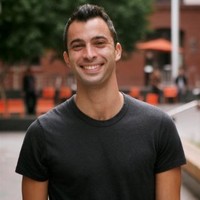
On Tuesday, January 14, Mayor London Breed officially welcomed small-business owner Manny Yekutiel as one of two new members of the SFMTA Board of Directors. The appointment fills the sixth of the seven SFMTA board positions.

Yekutiel is currently the owner of Manny's, a restaurant, bar, coffee shop, political bookstore and civic social gathering space built at the corner of 16th and Valencia in the Mission district. He is also a member of the city's Small Business Commission and board member of the Valencia Corridor Merchants Association.

Photo of Manny Yakutiel

"I'm excited to nominate Manny Yekutiel to serve on the SFMTA Board of Directors," said Mayor Breed in a tweet. "He knows how to bring people together, and I am confident in his ability to bring a fresh perspective to the Board and represent the needs of SF small businesses and residents."

In Mayor Breed's press release he was quoted saying, "I am deeply humbled and honored to be considered to serve the City I love as a member of the board of the SFMTA."

"Mobility is freedom and it's my belief that a City like ours should aim to create access to that freedom to everyone, everywhere. Our transportation system can and should do that. The relationship between our transport system, streets, workers, and small businesses has never been more important. I've seen firsthand how decisions made by the SFMTA, in the case of temporarily closing streets to cars, has given small businesses a fighting chance to survive this crisis. If given the opportunity to serve, I promise to be a fierce advocate for all San Franciscans and will bring my perspective and my passion as a small-business owner to the Board."

According to his profile in Milken Scholars, Manny's was awarded Small Business of the Year by the California State Senate and has been featured in The New York TimesRolling Stone magazine, and the San Francisco Chronicle during its first year in business. The business has served more than 55,000 cups of coffee and tea, hosted over 500 civic events for the community, including over 150 local nonprofits and 17 of the 2020 democratic presidential candidates.

The restaurant is run by the nonprofit Farming Hope, which runs an apprentice program for formerly incarcerated and formerly homeless individuals and places them into full-time employment.

Before founding Manny's, Yekutiel was the proprietor of ESY Strategies, a political and philanthropic consulting organization.

Born in Los Angeles, he worked for President Barack Obama's 2012 reelection campaign and Hillary Clinton's presidential campaign during 2015. As a San Francisco resident since November 2012, he is part of the area's active Jewish community.

Yekutiel earned a Bachelor of Arts degree in political science from Williams College and was honored as one of the leaders under 30 years old in field of law and policy nationwide by Forbes magazine in 2015.

SFMTA Board of Directors

Twice monthly the agency's board of directors meet at City Hall to discuss and provide policy oversight for safe and efficient transportation in San Francisco in accordance with the city charter and the Transit First Policy.

This seven-member board, appointed by the Mayor and confirmed by the San Francisco Board of Supervisors, typically meets on the first and third Tuesday of each month at 1 p.m., unless otherwise noted. Meetings are open to everyone and are streamed live through SFGovTV. Additional information such as agendas, resolutions and legislation passed by the Board can be accessed through our public-facing website, SFMTA.com.


Published January 25, 2021 at 05:10PM
https://ift.tt/3iRAHyb

الجمعة، 22 يناير 2021

Southeast San Francisco Residents Speak Up for More Mobility

Southeast San Francisco Residents Speak Up for More Mobility
By Adrienne Heim

The start of the 15 Bayview line on January 23 signals the SFMTA’s strengthening commitment to the diverse neighborhoods in southeast San Francisco, which have for too long seen disinvestment and a lack of sufficient transportation infrastructure. This commitment  extends to neighborhoods from Mission Bay to Visitacion Valley that have seen a surge in infill development such as the Chase Center, Visitacion Valley/Schlage Lock Plan and Candlestick Point and Hunters Point Shipyard. To begin to correct historical inequities and support this new growth, the SFMTA has been steadily engaged in bringing transportation improvements to residents, merchants, businesses and visitors to this important area.

Voice of the Community

From 2017 to 2019, the Southeast Muni Expansion project partnered with the Muni Service Equity Strategy, the Bayview Community Based Transportation Plan, and The San Francisco County Transportation Authority’s (SFCTA) District 10 Mobility Study project teams to conduct community outreach and collect feedback around community mobility needs and what Muni service performance improvements should be prioritized.

Southeast Muni Expansion Outreach

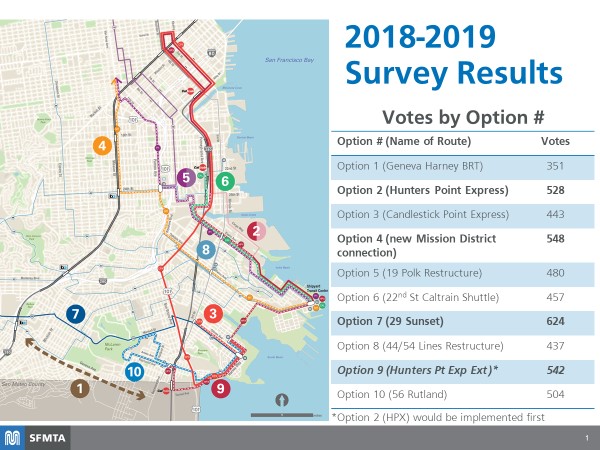
Because funding sources for transportation are limited, the Southeast Muni Expansion project team surveyed community members to review ten proposed options involving Muni bus routes, route extensions and reroutes, and more frequent service on existing bus routes that could be incorporated in the Candlestick Point-Hunters Point Development Transportation Plan The survey helped rank the community’s preferences, determining the order in which they can be planned and implemented.

Survey Results

The survey produced the following top three choices:

  • Option 4 – A new bus route between the Mission and Bayview neighborhoods
  • Option 7 – Improve the 29 Sunset bus route
  • Option 9 – A new express bus route between the Bayview and downtown

Option 1 was Geneva Harney BRT, Option 2 was Hunters Point Express, Option 3 was Candlestick Point Express, Option 4 was new Mission District connection, Option 5 was 19 Polk restructure, Option 6 was 22nd street Caltrain shuttle, Option 7 was 29 Sunset, Option 8 was 44/54 lines restructure, Option 9 was Hunters Point Express extension and Option 10 was 56 Rutland.

Results of the 2018/2019 survey

The  implementation of new bus service according to these priorities will also take into account any changes that may occur in the timeline for the Candlestick Point-Hunters Point development projects. In addition, we continue to review potential funding sources and a timeline for implementing additional service improvements.

Ongoing Service Improvements

In 2007 we inaugurated the T Third Light Rail service that links Sunnydale and Embarcadero Muni Metro Station, improving downtown transit access for the Bayview and Visitacion Valley neighborhoods. Additionally, the Mission Bay Loop between 3rd, 18th, Illinois and 19th streets now enables the T Third line to support both peak period demand and special events at Oracle Park and Chase Center. When completed, the Central Subway Project, will further improve the T Third by directly offering mostly underground service—that doesn’t have to contend with roadway traffic—from the 4th Street Caltrain Station to Chinatown.

In 2014, we launched our Muni Service Equity Strategy as a commitment to ensure transit is accessible, reliable, and affordable to all Muni customers. The strategy focuses on service in nine Equity Neighborhoods, including Bayview and Visitacion Valley in the southeast.

In 2019, we initiated the 29 Sunset Improvement Project to gather feedback on possible service improvements from diverse stakeholders, including students, who rely on the 29 Sunset. While those changes are currently on hold due to the COVID-19 pandemic, it remains a key route in the Muni Core Service Plan with frequent service to reduce crowding and support social distancing.  

To ensure that the transportation priorities and needs of neighbors in the southeast were being heard, we began conducting outreach for the Bayview Community Based Transportation Plan utilizing a Caltrans Sustainable Planning Grant. Community engagement resulted in directly administering a $600,000 Metropolitan Transportation Commission grant in areas that have the greatest needs and prompted several Bayview Quick-Build projects.

Learn More

Read a more detailed report on all the projects associated with this effort and receive project updates at SFMTA.com/SouthEastMuni.


Published January 22, 2021 at 08:02PM
https://ift.tt/3c4ak6Y

الخميس، 21 يناير 2021

San Francisco Launches Safety - It’s Your Turn Campaign

San Francisco Launches Safety - It’s Your Turn Campaign
By Christine Osorio

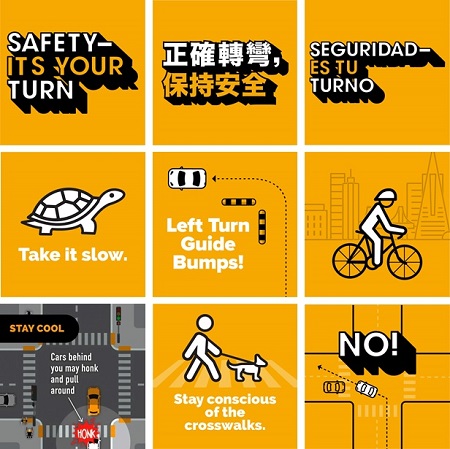
In San Francisco, left turns are one of the top three crash factors in severe injuries and fatal collisions for people walking and biking. SFMTA is kicking off the new year with a city-wide education campaign designed to encourage safer driving behavior around left turns. The Safety - It’s Your Turn campaign will use multiple strategies, including grants to community organizations, to engage the public at different times and raise awareness about unsafe left turns.

Drivers especially will see the Safety - It’s Your Turn messaging on billboards and buses, hear about it on the radio, and read about it on social media and in newspapers. This community education program also accompanies the SFMTA’s Left-Turn Traffic Calming Project.  Under that project, launched in October 2020, the SFMTA installed safety infrastructure at 7 intersections on the High Injury Network.

nine posters with these messages: "safety it's your turn" in english, chinese and spanish, "take it slow" with an image of a turtle, "left turn guide bumps" with an image of a car turning left by guide bumps, an image of a cyclist wearing a helmet, "stay cool" because "cars behind you may honk and pull around", an image of a human walking a dog with the message "stay conscious of the sidewalks", and an image of a car turning left encroaching the wrong lane with the message "no"

Community Grant Awardees

After a competitive application process, the SFMTA has awarded six grants to community organizations around the city to amplify the Safety It’s Your Turn campaign.  Community organizations are closer to the communities they serve and are better positioned to develop culturally-responsive outreach programs and materials. In addition to sharing safe left-turn messaging, another objective of the grant is to reach communities historically underserved by transportation projects. For many of the organizations, this is their first-time developing Vision Zero messaging, and the SFMTA is pleased to be expanding its engagement with community stakeholders and leaders. The selected grantees include:

These community groups plan to share safe left-turn messaging directly to food-delivery drivers, hard-to-reach communities along the High Injury Network, teen drivers, and vulnerable road-users. Examples of the deliverables include map booklets for the visually impaired, teen driver safety kits, and art-inspired public service announcements.

Remember that 40% of traffic fatalities in San Francisco involve drivers making left turns. Drivers can make a safe left turn by yielding to pedestrians and bicyclists, taking it slow at less than 5 mph, and making their turn nice and wide.

Image with the caption "anatomy of a left turn" with a link to video

Watch: Anatomy of a Left Turn

Vision Zero

San Francisco adopted Vision Zero (www.visionzerosf.org)as a policy in 2014, committing to build better and safer streets, educate the public on traffic safety, enforce traffic laws, and adopt policy changes that save lives. The result of this collaborative, citywide effort is safer, more livable streets as San Francisco works towards the Vision Zero goal of zero traffic fatalities. San Francisco is engineering inherently safer streets, enforcing traffic laws more effectively, and targeting traffic-safety education to reach its Vision Zero goals.


Published January 21, 2021 at 05:30PM
https://ift.tt/3c1gvbY

الأربعاء، 20 يناير 2021

Muni Expands Service, Access for Equity Neighborhoods in January

Muni Expands Service, Access for Equity Neighborhoods in January
By Mariana Maguire

On Saturday, January 23, the SFMTA will restart T Third Muni Metro rail service and increase Muni bus service, including adding several routes based on community feedback.
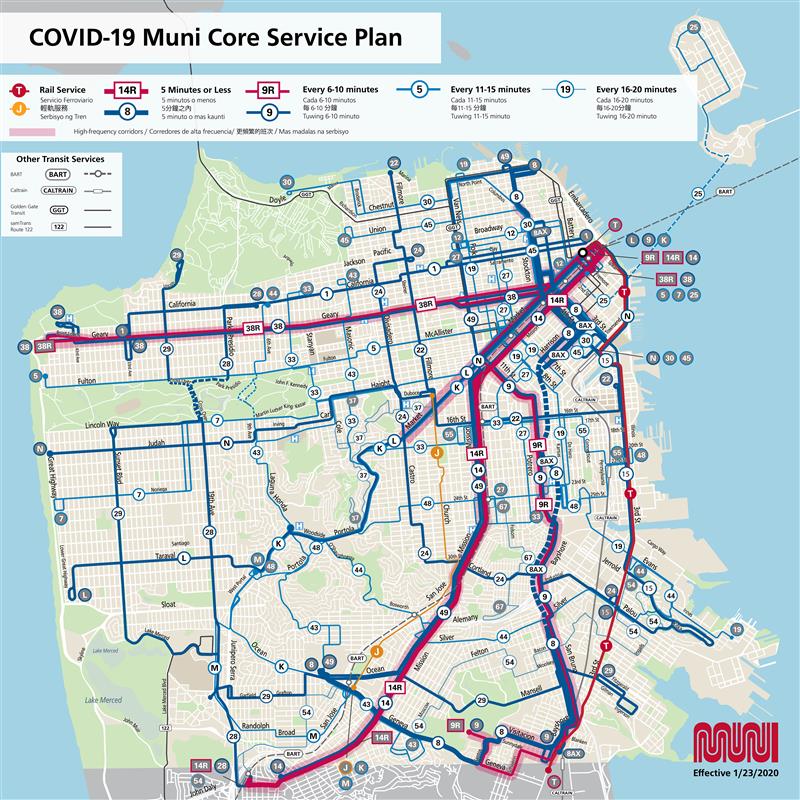
Map of Muni Core Service as of January 23, 2021

Graphic: New Core Service map, effective January 23, showing new and returning Muni lines.

Temporarily modified T Third rail service will resume between Sunnydale and Embarcadero Station. This frees up the buses currently providing the temporary T Third Street Bus service to increase bus service elsewhere. This change also brings more of our rail operators back to operating Muni Metro rail service.

Temporary changes to bus service include the return of the 27 Bryant and two new lines: the 55 Dogpatch and the 15 Bayview-Hunters Point Express. The full 33 Ashbury-18th Street line will also resume to provide another vital cross-town connection.

All of these changes are the direct result of community engagement and feedback. In particular, community members, SFMTA staff and District Supervisors worked together to develop the three new routes going into service January 23– the15 Bayview-Hunters Point Express, 27 Bryant, and 55 Dogpatch. These new routes will not only add service to those neighborhoods, but will also support San Francisco’s essential workers and economic recovery.

These Muni lines increase access to essential destinations and services for communities in the Tenderloin, Bayview-Hunters Point, Potrero, and Dogpatch that depend on transit the most and are part of the Muni Service Equity Strategy. By bringing these lines into service, we expect analysis through our new Equity Toolkit to show improvements in job access via public transportation for customers in these neighborhoods.

We aim to keep phasing Muni Metro rail back into service as subway repairs continue, particularly in the Eureka Curve near Castro Station. We also continue to work on adding more service on our high-ridership lines and using available vehicles and operators to help relieve crowding.

Below is the complete list of service changes. Please note that details are subject to change. For the most up to date information with free language assistance and accessibility, please call 311 or (415) 701-4311 or visit SFMTA.com/CoreService.

January 23 Muni Service Changes

All service changes below are temporary until further notice. Service hours: 5:00 a.m. to 10:00 p.m. daily, unless otherwise noted. Owl network service hours: 10:00 p.m. to 5:00 a.m. daily. Subway maintenance will be conducted evenings starting at 8:00 p.m. daily. For more information on frequency and hours of service, read more on the COVID-19 Muni Core Service Plan.

T Third Metro Rail: Service between Sunnydale and Embarcadero Station.

  • Service will resume on 3rd Street. Vehicles will enter Embarcadero Station, serve the stati
  • on, then turn back to Sunnydale. This allows us to provide connections to downtown and Market Street. For service along Market between Embarcadero and Castro, use Metro Buses or other Muni bus lines.
  • T Third customers traveling toward Sunnydale will enter Embarcadero Station from one of the Market Street portals at Drumm Street or Spear Street, go to the boarding level in the station and take the train toward Sunnydale.
  • T Third customers traveling into downtown San Francisco or other destination accessible via downtown will need to exit the train at Embarcadero Station and go to the street level to transfer to a Muni bus
  • Starting at 8:00 p.m. daily for evening subway maintenance, bus substitutions will provide Muni Metro service and Owl service at 10:00 p.m.
  • On weekends, buses will serve the T Third from 5:00 a.m. to 8:00 a.m. between Sunnydale and Steuart Street. Embarcadero Station opens at 8:00 a.m.
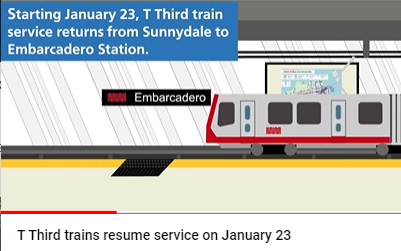
Animated video of T Third trains switching back at Embarcadero

Watch this animation of how to transfer at Embarcadero Station to and from the T Third.

N Judah Bus: Longer 60-foot coaches will help address crowding on weekends and continue to provide service on weekdays.

1 California (short): Additional service between California at Presidio streets and Clay at Drumm streets, where ridership is highest.

5 Fulton (short): Additional service between Fulton at 8th Avenue and the Salesforce Transit Center, where ridership is highest.

7 Haight-Noriega: Due to limited numbers of 60-foot motor coaches, shorter 40-foot coaches will serve the 7 Haight-Noriega on weekends. 60-foot coaches will continue to provide weekday service.

8AX Bayshore “A” Express (weekdays only): Additional service on the 8AX Bayshore between Kearny Street at Pacific Avenue and Bayshore Boulevard at Visitacion Avenue, where ridership is highest. Instead of peak hour service only, the 8AX Bayshore will be in service all day in both directions.

12 Pacific: Adjusted frequency to provide consistent service during the midday hours when ridership is high.

14 Mission: Additional service and frequency to address crowding.

14R Mission Rapid: Some 14R Mission Rapid buses will end at Mission at Lowell streets to relieve terminal congestion due to high frequency at Daly City BART Station. 

14 Mission Owl: Longer 60-foot coaches with increased frequency to address crowding.

15 Bayview-Hunters Point Express (BHPX): Community members directly shaped the design and planning of this new line to provide a faster trip between Bayview-Hunters Point and downtown. The route between Palou and 3rd streets to Market and 3rd streets via Hunters Point reflects the community’s travel patterns and priorities. See more information about this new line.

22 Fillmore: Modified route and additional service to address crowding.

  • As part of the completion of the first phase of the 16th Street Improvement Project, the new modified route will travel east on 16th Street and north on 3rd Street to the new terminal on Mission Bay Boulevard North.
  • Once the 22 Fillmore moves to serve Mission Bay, the new 55 Dogpatch will begin service to continue to provide bus connectivity for the Dogpatch and Potrero Hill neighborhoods. See more about the 55 Dogpatch below.

27 Bryant: The full route will go back into service with modifications in response to community feedback and engagement.

  • To improve reliability by using temporary emergency transit lanes, the route will be modified to travel southbound on 8th Street between Market and Harrison streets and northbound on 7th Street between Market and Folsom streets. The temporary emergency transit lanes are restricted for Muni service only so they can keep buses moving even if there is traffic congestion, which helps manage crowding.
  • The reroute will maintain access to BART and Muni Metro and will provide a connection to new destinations like FoodsCo on Folsom at 14th Street.
  • Over the next few months, SFMTA staff will ask for feedback from community members and evaluate the performance of the 27 Bryant on this temporary modified route.

30 Stockton (short): A short line between Caltrain and Van Ness Avenue at North Point Street will add service in segments of the line that consistently experiences crowding. The route will travel south on 4th Street, west on Harrison Street, south on 5th Street, then east on Townsend Street to its terminal.

33 Ashbury/18th Street: The full route will return to service as a trolley coach in response to customer feedback about cross-town connections that the route provides to a number of medical facilities.

37 Corbett: The regular route will come back between Parkridge Drive at Burnett Avenue, and Masonic Avenue at Haight Street.

38 Geary: Increased frequency on weekdays and weekends to address crowding. 

43 Masonic: The route will be extended slightly to connect to the 1 California on California Street at Masonic Avenue while maintaining the same number of bus resources.

55 Dogpatch: The former 55 16th Street will become the 55 Dogpatch, a modified route between 16th and Mission streets and 20th and 3rd streets to replace the eastern segment of the 22 Fillmore modified route to Mission Bay. This route was developed with community members from the Dogpatch and Potrero Hill neighborhoods. Visit SFMTA.com/55Dogpatch for more information.


Published January 20, 2021 at 04:15PM
https://ift.tt/2Kxc6lD